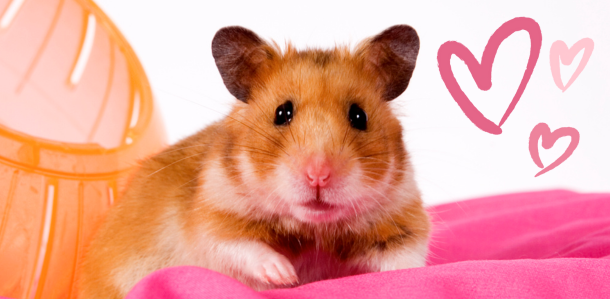
Syrian Hamsters: Larger, friendly, and generally prefer living alone. Dwarf Hamsters: Small, sociable, and can live in pairs. Roborovski Hamsters: Tiny, speedy, and can be tricky to handle.
2. Creating the Perfect Home
Cage Size: At least 450 square inches of floor space. Bedding: Dust-free, paper-based bedding. Avoid cedar or pine. Accessories: Tunnels, hideouts, and cozy corners. Water and Food: Leak-proof water bottle and stable food dish.
3. Feeding Your Hamster
Main Diet: High-quality hamster pellets. Fresh Additions: Safe vegetables and fruits (no citrus). Treats: Sunflower seeds, boiled egg pieces, mealworms. Avoid: Chocolate, candy, onions, garlic, salty or sugary foods.
4. Keeping Them Active
Exercise Wheel: Solid-surface wheel. Tunnels and Toys: Chew toys, tubes, climbing structures. Playtime: Supervised play in a hamster-safe area.
5. Maintaining Cleanliness
Spot Cleaning: Every 2-3 days. Deep Cleaning: Weekly with pet-safe products. Litter Training: Small litter box in their bathroom corner.
6. Socialising with Your Hamster
Building Trust: Let them get used to your scent. Handling: Gently support their body. Nocturnal Nature: Active in the evenings and at night.
7. Monitoring Their Health
Warning Signs: Weight loss, lethargy, sneezing, behaviour changes. Vet Visits: Regular check-ups and emergencies.
Chat with our knowledgeable Keringa-Petwings agents if you have other questions – we’re a friendly phone call, video call or email away:
We’re also a long-standing member of IPATA, recommended by vets throughout South Africa, and thousands of delighted families all around the world: Check out our Happy client testimonials for more inspiration.
We use cookies to personalize content, provide social media features, and analyze our traffic. We also share information about your use of our site with our analytics partners. You can change your preferences at any time. For more information, please see our Privacy Policy and Cookie Policy. Privacy PolicyCookie Policy